The Sink Microbiome: Why Sponges Require Aggressive Replacement
Examining the porous architecture of cellulose scrubbers and the rapid proliferation of pathogens.
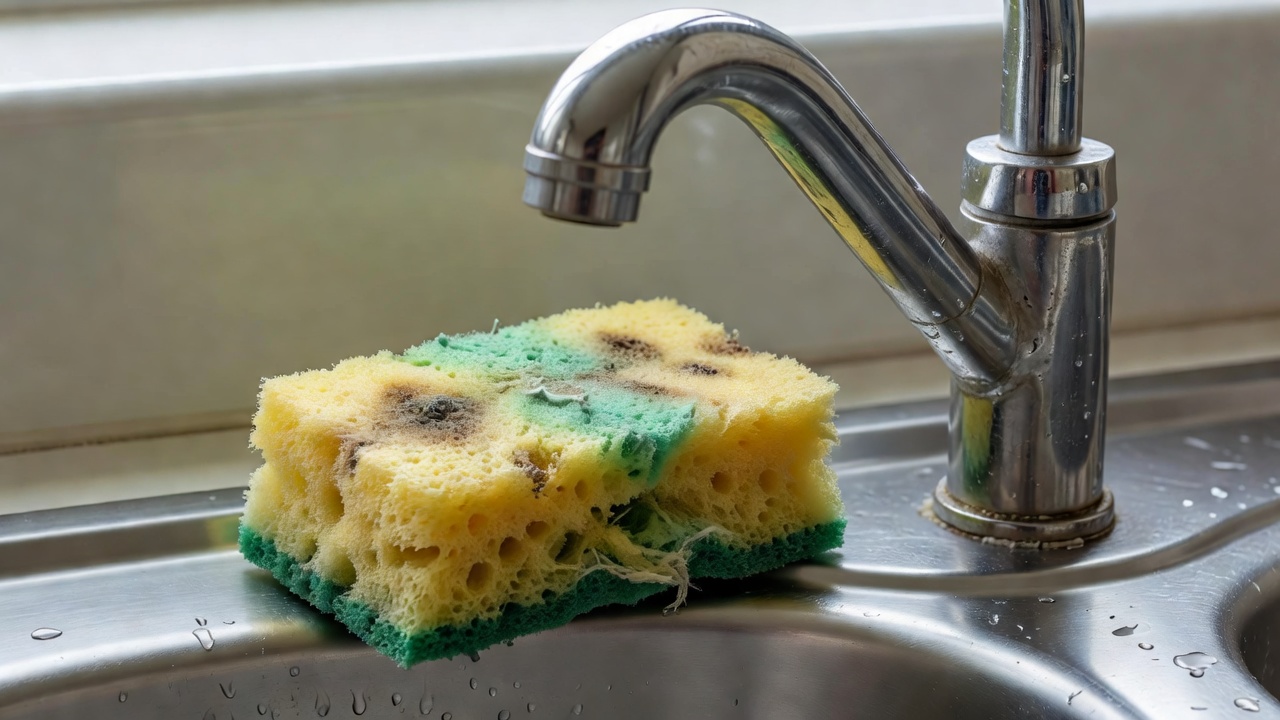
Of all the items within a domestic environment, the kitchen sponge is perhaps the most paradoxical. It is the primary tool used to clean culinary surfaces, yet structurally, it is the perfect incubator for microbial life. A synthetic or cellulose sponge provides vast internal surface area, persistent moisture, ambient room temperature, and a continuous supply of nutrients derived from food debris.
Microbiological assessments consistently rank the kitchen sponge as the most biologically active item in the average home, frequently harboring denser bacterial populations than household bathrooms. Consequently, managing this tool requires shifting away from visual assessment (discarding it when it falls apart) to a strict temporal schedule based on bacterial proliferation rates.
The Limits of Sanitization Methods
Many homeowners attempt to extend the life of sponges through various sanitization techniques. The most common methods include microwaving a damp sponge, running it through a high-heat dishwasher cycle, or soaking it in a diluted bleach solution.
While these methods can temporarily reduce the total bacterial load, they are inherently flawed for long-term maintenance. The heat or chemical intervention kills the weaker strains of bacteria, leaving behind the most resilient, pathogenic microbes to recolonize the porous space. Because the weaker competition has been eliminated, these resilient strains often multiply more rapidly in the newly cleared real estate. The structure of the sponge itself complicates this further; deep internal cavities protect certain bacterial clusters from surface heat or chemical exposure.
The Replacement Schedule
Due to the aggressive nature of bacterial colonization in these environments, visual degradation—such as the scouring pad detaching or the material shredding—is a late-stage symptom that occurs long after the sponge has become hygienically compromised.
Weekly to Bi-Weekly Cycles
For a household that cooks daily, particularly involving raw meats or dairy, standard cellulose and synthetic sponges should be replaced every one to two weeks. The moment a sponge begins to emit a sour or musty odor, it is announcing a massive bacterial bloom. Odor is an excretory byproduct of bacterial metabolism; if you can smell it, the colony has already reached critical mass. At this point, using the sponge to wipe down a countertop simply acts as a vehicle to spread a thin film of bacteria across the preparation area.
Alternative Materials
For those troubled by the environmental waste generated by frequent sponge disposal, the solution lies in adopting different materials rather than extending the life of cellulose.
- Silicone Scrubbers: These non-porous alternatives dry almost immediately and lack the deep, cavernous structures where food and moisture can become trapped. While they may not hold soapy lather as effectively as traditional sponges, they can be boiled repeatedly without degrading and naturally resist bacterial colonization.
- Cotton Dishcloths: Thin cotton cloths dry far faster than thick sponges. By allowing the material to dry completely between uses, bacterial growth is severely stunted. Furthermore, cotton cloths can be safely laundered in hot water with bleach, making them highly reusable.
- Swedish Dishcloths: A hybrid of cellulose and cotton, these are significantly thinner than standard sponges. Their rapid drying time reduces the window for bacterial multiplication, and they can endure dozens of washing machine cycles.
Ultimately, treating the traditional kitchen sponge as a consumable rather than a durable good is a foundational practice in kitchen sanitation. The cost of frequent replacement is negligible when weighed against the risk of persistent cross-contamination on culinary surfaces.