Fissures and Grooves: Evaluating Cutting Boards
How repeated blade contact compromises the surface integrity of both synthetic and wooden food preparation zones.
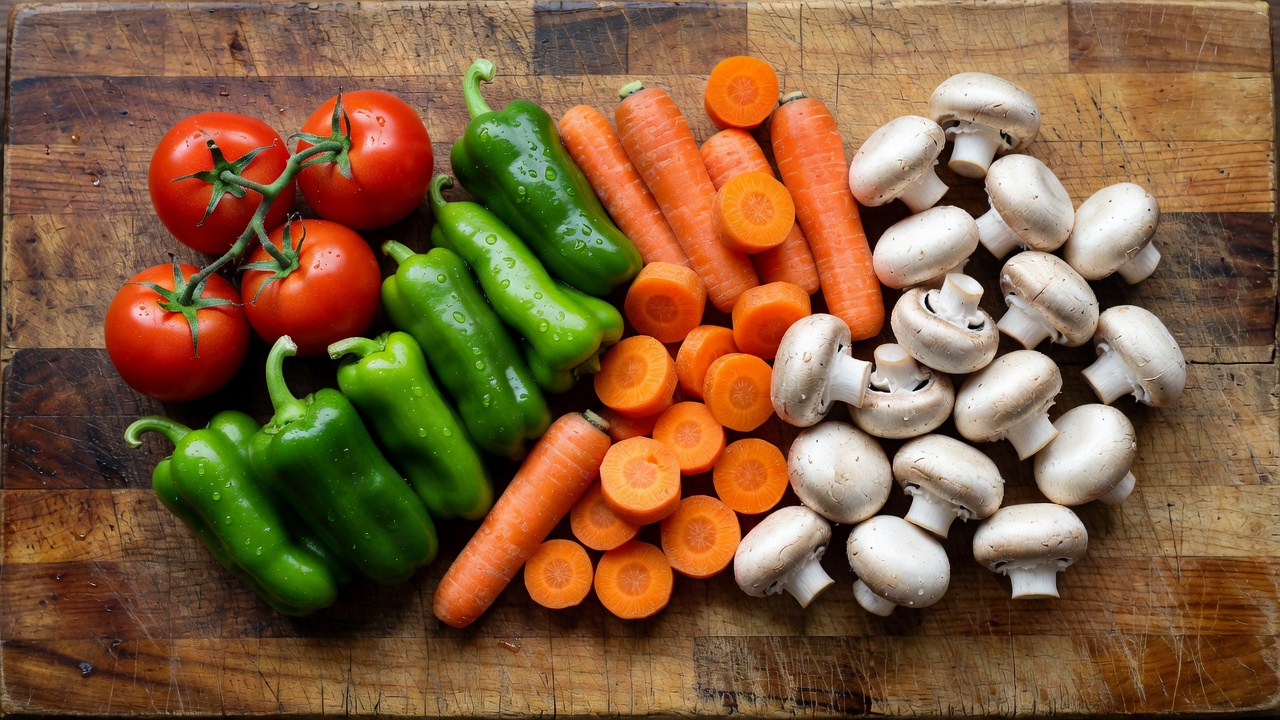
The cutting board is the foundation of domestic culinary preparation. It must be yielding enough not to instantly dull the edge of a chef's knife, yet hard enough to withstand thousands of high-pressure impacts over its lifespan. This necessary compromise in material hardness inevitably leads to surface degradation. Over time, the smooth surface of a new board transforms into a scarred terrain of microscopic valleys, deep grooves, and splintered fissures.
Determining when to replace a cutting board hinges less on its structural ability to remain in one piece, and more on its capacity to be effectively sanitized. When a board reaches a point where standard washing cannot reach the depths of its scarring, it presents an unacceptable risk of cross-contamination.
The Synthetic Problem: Plastic and Polyethylene
Plastic cutting boards, typically made from high-density polyethylene (HDPE), are widely favored for their initial non-porous nature and dishwasher safety. They are often perceived as more sanitary than wood.
However, plastic behaves fundamentally differently under a blade than natural materials do. When a knife strikes a plastic board, it gouges the material, raising microscopic burrs and carving permanent, deep trenches. As these trenches multiply, they create an intricate network of ravines that trap raw food particles and moisture. Because the material is hydrophobic, water from the dishwasher or sink tends to pool in these deeper grooves rather than penetrating and lifting the debris. Consequently, older plastic cutting boards can harbor significant bacterial colonies that survive standard sanitizing cycles.
Replacement Metric: A plastic cutting board should be replaced when it becomes heavily grooved or takes on a fuzzy texture from raised plastic burrs. Furthermore, if the board has developed deep stains that do not respond to bleach or rigorous scrubbing, it indicates that the surface integrity is compromised.
The Organic Approach: Wood and Bamboo
Wooden cutting boards—particularly end-grain blocks constructed from tight-pored hardwoods like maple, walnut, or cherry—respond differently to blade impact. The fibers of the wood tend to part under the blade and somewhat self-heal by swelling back together. Furthermore, many hardwoods possess natural antimicrobial properties via capillary action; bacteria drawn into the pores below the surface are deprived of moisture and perish.
Despite these advantages, wood is vulnerable to environmental stress. The constant cycle of washing and drying can cause the wood to warp, and the joints between bonded planks can fail. Bamboo, while technically a grass, behaves similarly but is often constructed with heavy adhesives that can fail under thermal stress.
Replacement Metric: A wooden board needs replacement (or serious professional resurfacing) when the wood begins to crack or split. Fissures that open up along the grain line are virtually impossible to clean and will trap rotting organic matter. Similarly, if the board warps to the point that it spins or rocks on the counter, it presents a mechanical hazard while using sharp cutlery.
Extending Lifespans Safely
While plastic boards are generally treated as consumables to be discarded when heavily scarred, high-quality wooden blocks can be maintained indefinitely if cared for correctly.
- Sanding and Resurfacing: A heavily scarred wooden board can often be sanded down to a fresh, flat surface, completely resetting its lifespan.
- Conditioning: Regular application of food-grade mineral oil prevents the wood fibers from drying out, which is the primary cause of cracking and splintering.
- Avoiding Submersion: Wood should never be submerged in a sink or run through a dishwasher. The heat and prolonged moisture will destroy the adhesive bonds and warp the material.
Regardless of material preference, vigilance regarding the surface texture of a cutting board is critical. A kitchen cannot operate safely if its primary preparation surface harbors the remnants of yesterday's meals deep within its scars.