Ergonomics and Allergens: The Lifecycle of Pillows
Investigating the physical collapse of support materials and the biological accumulation within modern bedding.
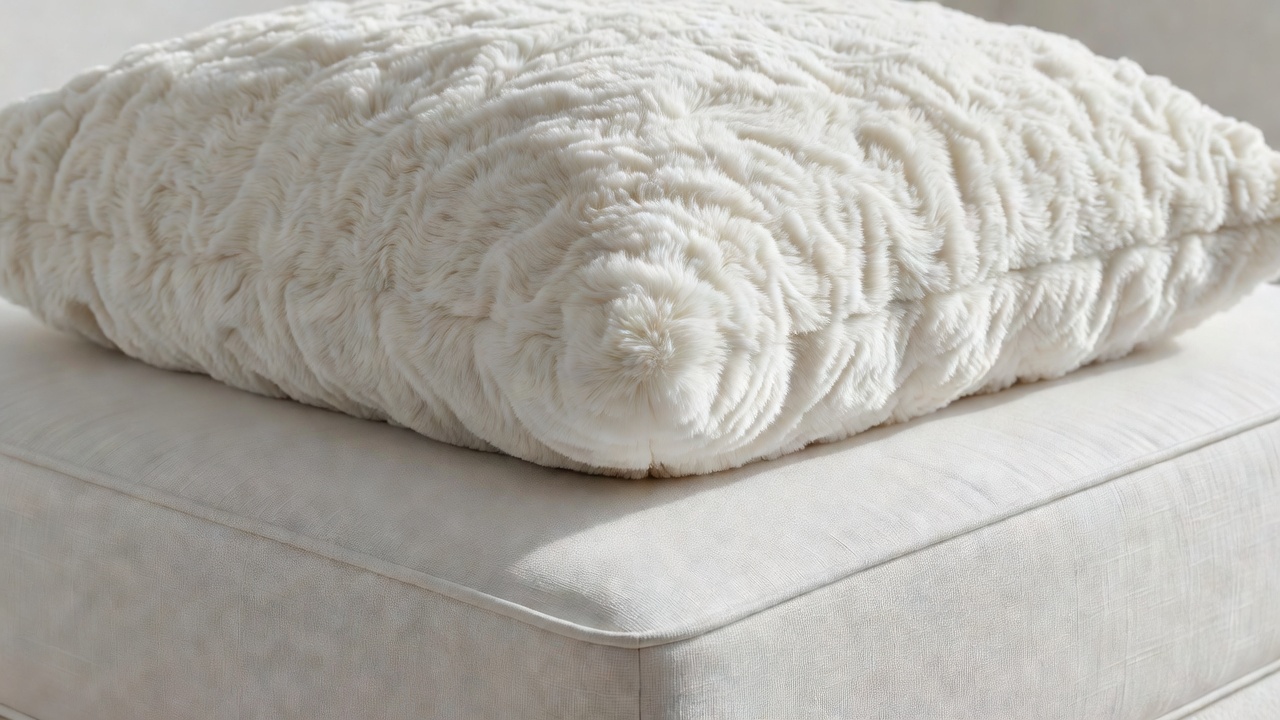
The pillow serves a highly specific anatomical function: to bridge the gap between the head and the mattress, keeping the cervical spine in neutral alignment. While mattresses are engineered with heavy-duty springs, dense latex, or thick polyfoams designed to last a decade, pillows are built with significantly lighter, highly compressible materials. Consequently, they endure a much faster rate of structural degradation.
Despite this, many individuals retain pillows for years, long after the internal materials have compressed permanently or fragmented. Beyond the loss of structural integrity, pillows undergo a slow, biological accumulation that makes periodic replacement a necessity of dermatological and respiratory hygiene.
The Collapse of Structural Integrity
Different fill materials degrade through different mechanical processes, affecting how long they can effectively support the weight of the human head (which averages ten to eleven pounds).
Synthetic Polyester Fill
Polyester microfiber is the most common and inexpensive pillow fill. It consists of millions of fine synthetic threads designed to trap air. Under nightly pressure and body heat, these microfibers bend, crimp, and permanently interlock. This creates dense, lumpy sections surrounded by flat voids. A synthetic pillow typically loses its ability to rebound within six to twelve months. The "fold test"—folding the pillow in half; if it does not spring back immediately, the structure is compromised—is particularly applicable here.
Memory Foam and Polyurethane
Solid blocks or shredded pieces of viscoelastic foam offer superior longevity to polyester. However, memory foam is highly sensitive to heat and moisture. Over the course of two to three years, the continuous exposure to body heat and sweat breaks down the cellular structure of the polyurethane. The foam becomes softer, losing its slow-rebound properties and failing to provide rigid support to the neck contour.
Natural Down and Feathers
Down clusters (the soft under-plumage of waterfowl) possess exceptional natural elasticity. While they can compress deeply, they generally rebound well with regular fluffing. However, over several years, the friction of the clusters rubbing against one another physically shatters the delicate filaments. A down pillow that once felt buoyant will eventually feel flat and require constant adjustment during the night.
Biological Accumulation
The secondary argument for replacing pillows revolves around the accumulation of organic matter. A human sheds millions of skin cells every night, accompanied by natural oils, sweat, and occasionally saliva. The fabric of a pillowcase, no matter how tightly woven, is permeable.
This organic matter filters down into the fill of the pillow. It serves as the primary food source for microscopic dust mites. The mites themselves do not bite or transmit disease, but their exoskeletons and waste products are potent allergens. For individuals who suffer from morning congestion, unseasonal rhinitis, or facial skin irritation, an aged pillow heavily laden with this particulate matter is frequently a primary catalyst.
Protective Interventions
While the physical breakdown of the fill material is inevitable and necessitates replacement, the biological accumulation can be mitigated to stretch the pillow’s hygienic lifespan to its maximum structural limit.
- Protective Encasements: Using a zippered, waterproof, or tightly woven allergen-proof protector underneath the standard pillowcase provides a physical barrier against skin cells and moisture.
- Regular Laundering: Pillows that permit machine washing (such as certain synthetics and down, provided they are dried completely to prevent mildew) should be washed every few months to clear out allergens.
Maintaining a pillow until it physically disintegrates compromises spinal alignment and sleep quality. Approaching support bedding as a short-to-medium-term consumable ensures optimal comfort and limits respiratory exposure to common household allergens.